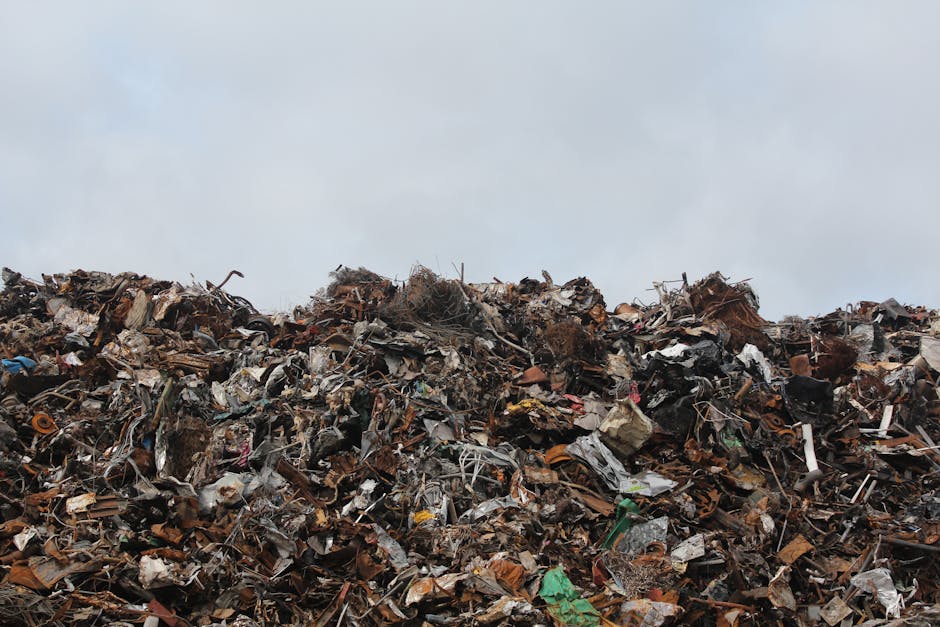
Skip and bulky waste rules Kingston Council disposal guidelines
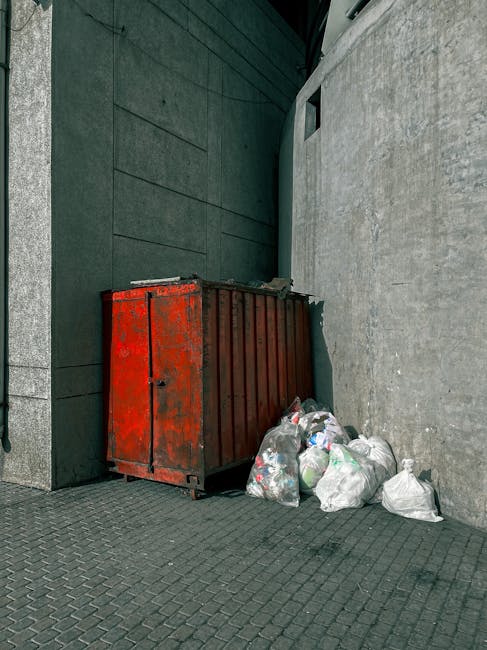
If you are trying to clear a garden, a renovation pile, or a house full of awkward items, the rules can feel strangely specific. One minute you are asking about a mattress; the next you are wondering whether a fridge, broken wardrobe, or builders' rubble needs a skip, a special collection, or something else entirely. That is exactly why this guide to Skip and bulky waste rules Kingston Council disposal guidelines matters. It breaks the process down in plain English, so you can make a sensible choice without wasting time, money, or a good bit of energy. And let's be honest, nobody wants to overfill a skip at 8am on a wet Kingston morning and then be told it cannot be taken away.
Below you will find a practical explanation of how bulky waste disposal usually works in Kingston, what to check before you book anything, and how to avoid the common mistakes that catch people out. If you are arranging a bigger clear-out alongside a move, you may also find it useful to look at house removals, furniture pick up, or even man and van support when you need a bit of extra muscle.
- Why the rules matter
- How disposal usually works
- Benefits and practical advantages
- Who needs this guidance
- Step-by-step guidance
- Expert tips
- Common mistakes
- Tools and resources
- Law, compliance and best practice
- Options comparison
- Real-world example
- Practical checklist
- Conclusion
- Frequently asked questions
Why Skip and bulky waste rules Kingston Council disposal guidelines Matters
Skip and bulky waste rules exist for a good reason: they keep streets safer, help waste move through the right treatment routes, and reduce the chance of fly-tipping or unsafe dumping. That may sound dry, but in practice it saves you from a lot of hassle. A collection can be refused if the load is contaminated, overfilled, or packed with items that should be handled separately. A skip can also become a problem if it is placed where a permit, access check, or parking permission is needed. Small details, big consequences.
For households in Kingston, these rules are especially relevant because local roads can be tight, parking is often limited, and many homes have awkward access. A bulky sofa might be easy to lift out of a front room but a nightmare to get down a narrow stairwell. A bit of planning avoids the classic last-minute scramble. You know the kind: the kettle is on, the hallway is full of boxes, and someone is saying, "Can we just leave it on the pavement?" Usually, no.
It also matters because disposal choices affect cost and convenience. The wrong route can mean extra charges, extra lifting, or multiple trips. The right route, by contrast, can make a clear-out feel almost calm. Almost.
How Skip and bulky waste rules Kingston Council disposal guidelines Works
In simple terms, you normally have a few different routes for disposing of bulky or awkward waste. The best option depends on the type of item, the amount you have, and how quickly you need it gone. A skip is useful when you have mixed waste from a project, while a bulky waste collection or removal service is better for large household items that need careful handling.
Kingston Council disposal guidelines generally focus on making sure waste is sorted correctly, collected safely, and taken to an approved destination. That means you should think about what is being thrown away, whether it can be reused or recycled, and whether anything needs special handling. For example, electrical items, mattresses, and certain appliances may not be treated like ordinary general waste. That is one of those details people often miss until they are stood next to a pile of stuff wondering why the driver has gone quiet.
If you are arranging a home clear-out, a move, or furniture replacement, a practical way to think about it is this: items that are still usable may be better suited to reuse or a dedicated collection, while broken or mixed materials may be more suitable for a skip or licensed removal. When in doubt, separating items first usually saves time later.
You can also combine disposal with a wider removal job. For example, some people book removal services for the heavy lifting, then deal with the rubbish and redundant furniture separately. Others prefer to organise transport through removal van support and keep the disposal process simple and direct.
Key Benefits and Practical Advantages
Following the right disposal route is not just about staying within the rules. There are real everyday benefits, and some are surprisingly practical.
- Less stress: You are not making decisions on the fly with a pile of waste outside the front door.
- Better value: Matching the disposal method to the job can reduce wasted capacity and avoid unnecessary repeat bookings.
- Cleaner results: Sorting items properly helps keep the project tidy and safer to work around.
- Smoother collections: Clear access, sensible loading, and the right waste type make pickup far easier.
- More recycling potential: Reusable and recyclable items are easier to divert away from landfill when they are not mixed carelessly.
There is also a less obvious benefit: better planning gives you a sense of control. That matters when you are dealing with a house clearance, end-of-tenancy tidy-up, or post-renovation mess. It is one thing to have a pile of broken shelves. It is another to know exactly what will happen to them.
If you are trying to avoid unnecessary lifting, a van-based collection can be a sensible middle ground. It is often better suited to bulky items than trying to shoehorn everything into your own car, which, to be fair, never really ends well with a wardrobe.
Who This Is For and When It Makes Sense
This guidance is for anyone in Kingston dealing with bulky household items, furniture, small renovation waste, or mixed clear-out rubbish. In particular, it helps if you are:
- moving house and need to dispose of damaged or unwanted items
- replacing furniture and want the old pieces removed responsibly
- clearing a garden, loft, shed, or garage
- renovating a room and generating bulky offcuts or broken fittings
- managing an office clear-out or commercial move
It makes sense to plan early if your waste is heavy, awkward, or likely to take up a lot of room. A single sofa is one thing. A sofa, bed frame, wardrobe, old desk, and a few bags of mixed rubbish is a different story entirely. At that point, the question is not just "how do I get rid of this?" but "what is the least painful way to do it?"
If your project includes furniture that could still be reused, a collection service may be a better fit than a general waste route. For example, furniture pick up can help when items are too bulky for normal household disposal but still worth handling carefully. For larger domestic moves, home moves and house movers can also be part of the same plan.
Step-by-Step Guidance
The easiest way to manage bulky waste is to treat it like a mini project. Not glamorous, perhaps, but effective.
- List everything you want removed. Walk through the property and note every item, from the obvious sofa down to the small awkward bits.
- Separate reusable items from true waste. If something can be donated, sold, or reused, set it aside before you book a disposal method.
- Check whether anything needs special handling. Electricals, mattresses, appliances, and renovation waste may need different treatment.
- Measure the access route. Doorways, stairwells, narrow paths, and parking space all matter more than people expect.
- Choose the right disposal method. Use a skip for mixed project waste, or a bulky item collection/removal service for large household pieces.
- Prepare the items for pickup. Disassemble where sensible, remove loose contents, and keep the loading area clear.
- Confirm timing and restrictions. Make sure you know when the collection will happen and what the service will and will not take.
A simple rule helps here: if an item is heavy, delicate, and awkward all at once, it deserves extra planning. That is especially true with wardrobes, old appliances, and office furniture with hidden fixings. The squeak of a wobbly drawer might be the only warning you get before it becomes a two-person job.
For bigger moves, it can be useful to pair disposal planning with a wider transport solution such as moving van or movers, especially if the clear-out is happening at the same time as relocation.
Expert Tips for Better Results
A few small decisions make the whole process smoother. In our experience, the people who plan the least end up lifting the most. Not ideal.
- Sort by material first: wood, metal, textiles, electricals, and mixed waste are easier to manage when grouped.
- Break down bulky items early: a flat-packed bed frame takes up less space than a fully assembled one.
- Keep pathways clear: this matters for safety and speed, especially in hallways and shared entrances.
- Protect floors and walls: cardboard, blankets, or old sheets can save a frustrating scuff or two.
- Check the weather: rain changes everything, especially cardboard and soft furnishings left near an open door.
- Book a little earlier than you think: last-minute collections are where stress tends to sneak in.
One helpful habit is to photograph the waste pile before you book anything. That gives you a clearer idea of volume and access, and it also helps when you are comparing disposal or removal options. A photo can say more than five rushed messages, honestly.
If your clear-out includes business items, it may be worth looking at commercial moves or office removals so you can plan both the move and the disposal together rather than as two separate headaches.
Common Mistakes to Avoid
Most problems with bulky waste disposal come from a handful of avoidable mistakes. The good news is that once you know them, they are easy enough to sidestep.
- Mixing prohibited or specialist items with general waste. This can cause a collection refusal or extra handling fees.
- Overfilling a skip or loading it unevenly. It may look harmless for ten seconds, then turn into a problem when removal time comes.
- Ignoring access constraints. A wide sofa is not getting through a narrow stairwell just because everyone wants it to.
- Leaving the sort-out until the last minute. That is how recyclable items end up mixed into general rubbish.
- Forgetting about permits or parking issues. Streets in Kingston can be more constrained than people expect.
- Assuming every service takes every item. Different providers have different rules, and it pays to check.
One sneaky mistake is underestimating weight. A skip filled with damp rubble, old books, or dense broken furniture can become heavier far faster than you think. It looks manageable until you try to move it. Then, well, the truth arrives with a thud.
Another common one is failing to ask about reusable furniture. If something still has life in it, a furniture pick up route may be more suitable than treating it as waste from the start.
Tools, Resources and Recommendations
You do not need fancy equipment to manage bulky waste well, but a few practical tools make a real difference.
- Tape measure: useful for doors, stair turns, and item dimensions.
- Work gloves: helpful for rough edges, splinters, and awkward lifting.
- Dust sheets or old blankets: good for protecting floors and furniture during staging.
- Marker pens and labels: ideal for separating reuse, recycle, and waste piles.
- Phone camera: useful for logging the waste pile and access issues.
- Checklist on paper: simple, but much harder to ignore than a note buried in your phone.
When you need transport rather than just collection, the right vehicle matters. A dedicated man with van setup can be a practical option for bulky but manageable loads, while a larger removal company may be better for bigger clear-outs or situations that need more structured handling.
It is also worth reviewing service details carefully before booking. For example, insurance and safety, health and safety policy, and recycling and sustainability information can help you understand how a provider approaches risk, handling, and disposal standards.
Law, Compliance, Standards, or Best Practice
When dealing with waste in the UK, it is sensible to follow the general principle that waste should be stored, moved, and handed over responsibly. That means choosing a service that handles items safely, checking what can and cannot go into a load, and making sure the waste ends up at an appropriate facility. You do not need to be a waste law expert to make good decisions, but you do need to be careful.
Best practice usually means:
- keeping different waste streams separate where possible
- avoiding hazardous or restricted items unless the provider explicitly accepts them
- making access safe for the collection team
- being honest about the volume and type of waste
- using clear, reputable services with transparent terms
If you are arranging a move as well as waste removal, it is wise to check terms and conditions so expectations are clear before the day arrives. That can save a fair bit of back-and-forth later. On the customer side, a clean, accurate description of the load is always the safest route.
And yes, if you are wondering whether "just one extra item" matters, it usually does. The little extras are often what change a simple job into a complicated one.
Options, Methods, or Comparison Table
Different disposal methods suit different situations. The best choice depends on what you have, how much help you need, and whether the items are reusable, bulky, or mixed waste.
| Option | Best for | Advantages | Things to watch |
|---|---|---|---|
| Skip hire | Mixed project waste, renovation debris, larger clear-outs | Good capacity, practical for ongoing work, convenient for multiple loads | Access, permit needs, load limits, and item restrictions |
| Bulky waste collection | Large household items such as sofas, tables, mattresses, and appliances | Simple for one-off items, less manual handling for you | Collection rules, accepted item list, timing restrictions |
| Removal van service | Bulky loads that need transport and lifting support | Flexible, useful for multi-item jobs, can fit around tight access | Not a substitute for hazardous waste handling |
| Furniture reuse or pick-up | Items still in usable condition | Reduces waste, often simpler than disposal | Items usually need to be presentable and safe to move |
If you are unsure which route is best, ask yourself one question: am I removing rubbish, or am I moving bulky items that still need care? That small distinction makes the answer much clearer. For many Kingston households, the right answer ends up being a mixture of services rather than one single solution.
Case Study or Real-World Example
A typical Kingston clear-out might look like this. A family is preparing to move out of a semi-detached home and has an old sofa, two wardrobes, a broken desk, several bags of mixed loft clutter, and a garden bench that has seen better days. They initially think everything can go into one big pile and be sorted later. That is where the trouble starts.
Instead, they separate the bench and sofa as reusable or bulky items, break the wardrobes down, and put the mixed clutter into a different pile. They measure the front path, realise the driveway is tight, and decide against leaving everything for a morning scramble. The result is smoother: the items are handled in the right order, the access is clear, and the whole job feels less chaotic.
The key lesson? A small amount of sorting at the start saves a surprising amount of time later. You can almost feel the tension drop when the hallway stops looking like a warehouse. Not magic. Just good planning.
For jobs like this, it can help to combine disposal with a transport-focused service such as man and van removals or broader removals support, especially if the move and the clearance are happening on the same day.
Practical Checklist
Use this before you book any skip or bulky waste collection.
- List every item you want removed
- Separate reuse, recycle, and waste piles
- Check whether anything needs special handling
- Measure doors, stairs, and access routes
- Confirm parking or placement space
- Choose the right service for the load type
- Ask what is accepted and what is not
- Prepare items so they are easy and safe to move
- Keep paths clear for the collection day
- Review safety, insurance, and terms before booking
If you tick these off in order, the whole process becomes far more manageable. It may not feel exciting, granted, but it works.
Get a free quote today and see how much you can save.
Conclusion
Skip and bulky waste rules Kingston Council disposal guidelines are really about common sense made practical: sort properly, choose the right route, and keep the process safe and compliant. When you understand the basics, it becomes much easier to decide between a skip, a bulky item collection, or a removal-based solution that includes transport and lifting help.
The best results usually come from planning before the pile grows. That sounds obvious, but then again most useful advice does. Whether you are clearing a house, tidying a garden, or getting an office ready for the next chapter, a calm and organised approach always pays off. One less headache, one cleaner space, and a far smoother day.
If you are still weighing up the options, take a moment to compare your load, your access, and your timings. Then choose the route that fits the job instead of forcing the job to fit the route. Small decision, big difference.
Frequently Asked Questions
What counts as bulky waste in Kingston?
Bulky waste usually means large items that do not fit into normal household bins, such as sofas, wardrobes, beds, tables, mattresses, and some white goods. If you are unsure, think in terms of size and handling difficulty rather than just weight.
Do I need a skip for one or two large items?
Not always. For a small number of items, a bulky waste collection or removal service may be more practical than hiring a skip. A skip is usually better when you have mixed waste from a project or a larger volume of debris.
Can I put furniture and renovation waste in the same load?
Sometimes, yes, but it depends on the service and what the provider accepts. Mixed loads can work well, though separating materials first often makes disposal easier and more efficient.
What items are commonly restricted?
Items such as certain electricals, hazardous materials, and specialist waste often need separate handling. The exact acceptance rules vary, so always check before booking rather than assuming everything can go together.
Is it better to reuse or dispose of old furniture?
If furniture is still usable, reuse is usually the better option. It can save money, reduce waste, and avoid sending perfectly good items into a disposal stream. If something is broken, unsafe, or heavily worn, disposal may be the right call.
How do I prepare bulky items for collection?
Remove loose contents, disconnect appliances safely, break down items where possible, and keep access routes clear. The easier it is for the collection team to reach and lift the item, the smoother the job will be.
What should I do if my access is tight?
Measure the route carefully and explain it clearly when booking. Tight access is very common in Kingston, and it is better to flag it early than discover on the day that a sofa will not make the turn.
Can a removal van help with bulky waste?
Yes, a removal van can be a useful option when items need to be transported and handled carefully. It is often a good choice for bulky household or office items that are too awkward for a car but do not require a full skip.
How do I avoid extra charges?
Be accurate about the load, sort items before collection, and check what is included in the service. Extra charges often come from surprises: access issues, additional items, or waste that was not declared up front.
What is the safest way to dispose of old appliances?
Old appliances should be handled carefully because they can be heavy and may contain parts that need specialist treatment. Always confirm how they should be prepared and whether they are accepted as part of your chosen service.
Should I book disposal before or after my move?
Usually before, or at least alongside the move plan. If you wait until after moving day, you may end up living around unwanted furniture and boxes for longer than you hoped. A joined-up plan is much easier.
Where can I get more help with a bigger clear-out?
If your job involves moving, lifting, or transporting bulky items, it can help to explore services such as removals near me, man with van removal, or packing and unpacking services depending on how much support you need.