Kingston Market removals guide for narrow street moves
Posted on 26/05/2026
Kingston Market Removals Guide for Narrow Street Moves
Moving near Kingston Market can feel a bit like trying to park a supermarket trolley in a phone box. The streets are busy, space is tight, and a normal moving day can turn awkward very quickly if you do not plan for the realities of narrow roads, loading restrictions, pedestrians, and the general stop-start rhythm of central Kingston.
This Kingston Market removals guide for narrow street moves is written for people who need a practical, local-first approach. Whether you are moving from a flat above a shop, a terraced home off the high street, or a small office tucked behind the market area, the goal is the same: keep the move safe, efficient, and as calm as it can be. You will find a clear step-by-step process, common mistakes to avoid, comparison tips, and real-world advice that reflects how removals actually work in compact London streets.
If you are also exploring the wider area, local living and street conditions matter more than people often expect. A helpful read is a local's perspective on navigating Kingston's lively streets, which gives a feel for why timing and access planning matter so much here. For broader moving support, you may also find our Kingston removals service and services overview useful as you map out the rest of your move.

Why Kingston Market Removals Guide for Narrow Street Moves Matters
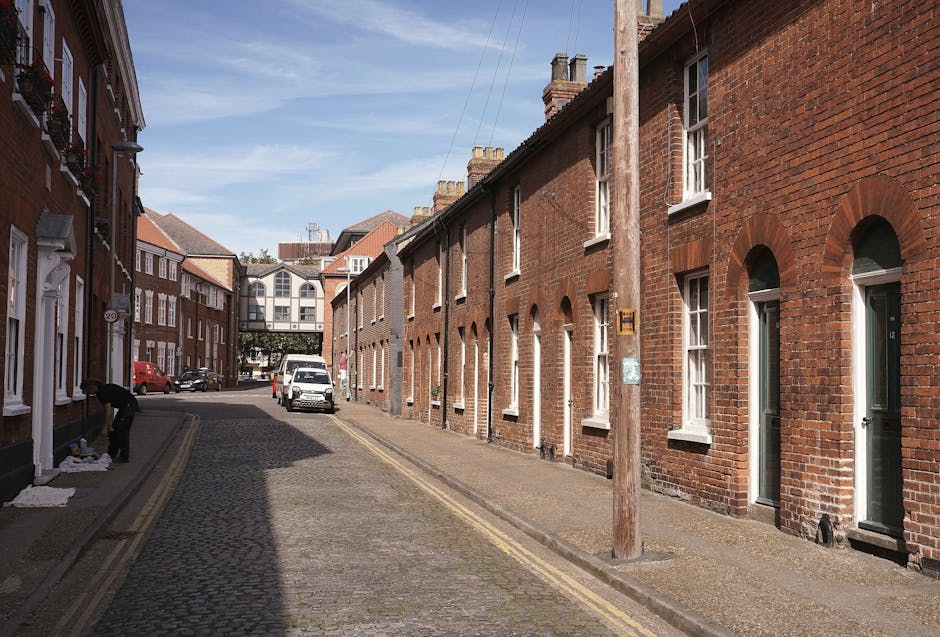
Kingston Market and the streets around it are not built for careless van positioning. That is the blunt truth. You are dealing with tight corners, passing traffic, shoppers, pedestrians, cyclists, and often a lack of obvious long-stay loading space. Even a well-planned move can go sideways if the vehicle is too large for the street or if boxes are still being packed while the clock is ticking.
In narrow street moves, the problem is rarely just the van. It is the whole chain of access: where the vehicle can stop, how far items need to be carried, whether upstairs access is awkward, whether neighbours need warning, and how quickly the load can be moved before congestion builds. That is why a local removals plan matters. It is not just about lifting furniture. It is about reducing friction.
For many Kingston residents, the market area sits close to flats, converted buildings, small businesses, and busy mixed-use streets. That creates a specific type of move: one where logistics matter almost as much as manpower. If you are moving a full home, a compact flat, or even part of an office setup, it helps to work with an approach designed for dense urban access rather than a generic one-size-fits-all service.
Expert takeaway: The best narrow-street move is usually the one that looks boring from the outside. Quiet planning, sensible vehicle choice, clear parking arrangements, and fast loading are what keep the day smooth.
How Kingston Market Removals Guide for Narrow Street Moves Works
A narrow-street move around Kingston Market usually starts before moving day, not on it. Good removal planning begins with a quick but detailed understanding of access. A mover needs to know the width of the street, whether there is a turning point nearby, if the property is above ground level, and how far the load will need to travel from door to van. Sounds simple. It often is not.
In practice, the move may use a smaller vehicle, a man and van setup, or a staged loading plan where items are carried in manageable batches. If the street is especially tight, a compact man with a van in Kingston or a carefully sized removal van may work better than a larger lorry. That decision is usually based on access, parking, and the volume of items rather than price alone.
There is also the timing side. A move at 8:00 a.m. on a weekday feels very different from one at 11:30 a.m. on a market-busy Saturday. To be fair, that one detail can make or break the whole day. The aim is to avoid the busiest pedestrian flow, reduce delays caused by traffic, and keep the van movement as short and neat as possible.
Many narrow street removals also benefit from pre-packed items, furniture protection, and labelled rooms. If you need help with wrapping, boxes, or protective materials, our packing and boxes service in Kingston can reduce the stress before move day even starts.
Key Benefits and Practical Advantages
When a move is planned properly for a narrow street, the benefits show up fast. You save time. You reduce the chance of damage. You make life easier for neighbours and pedestrians. And you avoid that horrible feeling of standing in the road wondering why the sofa is not fitting through the hallway, which is never a great moment.
- Less time spent loading: A compact access plan means items move faster from property to vehicle.
- Lower risk of damage: Shorter carry distances and better equipment reduce knocks, scrapes, and doorframe damage.
- Better traffic flow: Choosing the right arrival window helps limit disruption around Kingston Market.
- More predictable costs: Efficient loading and suitable vehicle choice can help avoid extra hours and avoidable delays.
- Less stress for you: A move that feels organised is simply easier on everyone involved.
There is also a hidden benefit people often overlook: confidence. If you know the access plan is realistic, the whole day feels less chaotic. You can focus on checking rooms, securing keys, and keeping essentials to hand rather than firefighting every five minutes.
For people moving out of a flat or a compact property near the market, this is especially relevant. Our flat removals in Kingston page is a useful companion if your move involves stairs, shared entrances, or awkward internal access.
Who This Is For and When It Makes Sense
This guide is for anyone whose move involves tight access around Kingston Market or similar central streets in Kingston. If your property is on a narrow road, near a pedestrian-heavy stretch, or in a mixed-use building with limited loading space, this approach is likely a better fit than a standard moving day setup.
Typical situations include:
- people moving from upper-floor flats above shops
- households in terraced streets with limited roadside space
- students moving in or out of small central accommodation
- small offices or studios with awkward loading points
- residents with bulky items, such as wardrobes, sofas, or pianos
If your move is small and flexible, a smaller team can often handle it efficiently. If you are moving a more complex load, you may need a fuller service. For example, a larger family move may lean toward house removals in Kingston, while a last-minute date change or a quick handover might suit same day removals in Kingston.
Truth be told, this guide is especially useful if you are trying to decide whether to do the move yourself. Narrow streets make DIY moves look cheaper on paper than they often are in reality. A few extra trips, a blocked loading spot, or one badly timed parking issue can cost you more than you expected. And your back, too.
Step-by-Step Guidance
Here is a simple, practical way to plan a move near Kingston Market without overcomplicating it.
1. Survey the street before you commit
Walk the route yourself if you can. Look at the road width, parked cars, turning space, and any signs that suggest loading limits or restricted access. Check whether the street is more manageable at certain times of day. Sometimes the difference between a smooth move and a messy one is just an hour.
2. Measure your larger items
Measure sofas, beds, wardrobes, desks, and anything awkward to carry. It is not enough to know they are "big." You need actual dimensions, and ideally the dimensions of the doorway, stair turn, and hallway pinch points too. One narrow bend can change the whole plan.
3. Decide on vehicle size early
Do not leave this until the last minute. A vehicle that is too large may not fit near the property, while a vehicle that is too small means extra journeys. A well-sized man and van service in Kingston is often the sweet spot for tight urban streets, but it depends on the actual load.
4. Pack for speed, not just storage
In narrow street moves, the faster you can load, the better. Use strong boxes, label by room, and keep fragile items separate. Pack an essentials bag so you are not searching for kettle cables or toilet paper at the new place while everyone is waiting. That tiny bag can feel heroic later.
5. Protect the route inside the property
Think beyond the van. Hallways, stair rails, corners, and doorframes all need protection. Blankets, covers, and careful handling help avoid scuffs, especially in older buildings or rented flats where damage deposits matter.
6. Confirm parking and access details
If you can arrange parking or check nearby loading options ahead of time, do it. If you cannot, at least have a clear fallback plan. A moving team should know where they can legally stop, how long they can remain, and what they will do if the usual spot is taken.
7. Keep the load sequence simple
Load the hardest-to-move items first, then stack smaller boxes around them. Avoid random loading. Random loading is how time disappears. If the property is difficult to reach, a focused sequence saves a surprising amount of effort.
8. Leave yourself breathing room
One small delay can ripple through the whole day. Build in a buffer for traffic, access problems, and the occasional "where did we put the keys?" moment. There is always one of those. Always.
Expert Tips for Better Results
These are the little things that make a real difference in narrow street removals. They are not flashy, but they work.
- Use smaller, sturdier boxes: Oversized boxes are harder to carry through tight spaces and more likely to split.
- Keep one person free at the property entrance: If someone can guide the flow, the team spends less time waiting.
- Protect furniture at the source: Wrapping items before they leave the room saves time and damage.
- Disassemble bulky furniture where sensible: Flat-pack wardrobes, bed frames, and tables often move better in pieces.
- Label fragile items clearly: It sounds obvious, but it prevents avoidable mistakes under pressure.
- Choose quieter moving hours where possible: Earlier windows often work better in busy Kingston locations.
If you are moving specialist items, the same narrow-street logic still applies, but the handling becomes more sensitive. A piano, for example, needs specific care and the right lifting method. In that case, our piano removals service in Kingston is the better route than general lifting. Heavy, delicate, awkward. Not a great combination without the right plan.
Another tip many people appreciate: keep your new property ready before the first box arrives. Open internal doors, clear a landing space, and know where the large furniture will go. It sounds basic, but when the van is outside and the street is tight, a few minutes saved inside the building can be a big deal.
Common Mistakes to Avoid
A narrow-street move punishes guesswork. Here are the mistakes that tend to cause the most trouble.
- Booking the wrong vehicle size: Too big and it cannot access the street well; too small and you create extra runs.
- Ignoring the loading environment: A road that looks fine on a quick glance may be useless at peak time.
- Packing too late: Late packing creates rushed loading, and rushed loading causes damage.
- Underestimating stair access: Narrow stairs and landings can turn simple furniture into a serious job.
- Failing to protect furniture and walls: A small scratch in the wrong place can be expensive to sort out later.
- Not checking the move-in order: If several people are arriving or leaving buildings nearby, access can bottleneck fast.
There is also the mistake of assuming all removal companies approach tight streets in the same way. They do not. Some are better suited to larger, open-access moves. Others are built around urban flexibility. If you are comparing providers, look at the service fit, not just the headline price. Our removal companies in Kingston page can help you think through the broader picture.
And one more thing: do not forget rubbish and unwanted items. Old boxes, broken chairs, and leftover bits can slow everything down. If you want a cleaner exit, it helps to sort what stays, what goes, and what can be recycled. Our recycling and sustainability information is a useful reference.
Tools, Resources and Recommendations
You do not need a warehouse full of kit to move well in a narrow Kingston street. But the right few tools make life noticeably easier.
| Tool or Resource | Why It Helps | Best Use Case |
|---|---|---|
| Furniture blankets | Reduces scuffs and impact damage | Sofas, tables, wardrobes, doorframe protection |
| Removal straps | Makes carrying safer and more controlled | Heavy or awkward items on stairs |
| Strong packing tape and labels | Speeds up identification and stacking | Room-by-room packing and fragile items |
| Smaller moving boxes | Easier to carry through tight spaces | Books, kitchenware, mixed household goods |
| Storage solution | Helps when access or timing is split across days | Delayed move-ins or staged relocations |
If your move is complicated by delayed access, refurbishment, or a chain of dates that simply refuse to line up neatly, consider temporary storage. Our storage in Kingston page may help if you need a buffer between leaving one property and entering another.
For general support, the removal services in Kingston page gives a good sense of what can be combined into a single move. And if you want to keep the scope simple and efficient, a smaller setup can be surprisingly effective. Less can be more, honestly.
Law, Compliance, Standards and Best Practice
For a narrow street move in Kingston, you do not usually need to become a transport lawyer overnight. Still, a few compliance points matter. Removal activity should be carried out safely, with attention to road use, parking restrictions, manual handling, and property access rules. Local restrictions can vary, so checking signage and being realistic about where a vehicle may stop is part of good practice.
Manual handling is another area where best practice matters. Heavy lifting, twisting with furniture, carrying bulky objects on stairs, and working in awkward spaces all increase risk. A professional team should use sensible lifting techniques, appropriate equipment, and a pace that avoids rushed handling. If a move feels rushed, it often is.
Insurance is worth checking too. You want clarity on what is covered, what is not, and how fragile items are handled. That does not mean expecting perfection. It means asking direct questions before moving day. Our insurance and safety information explains the kind of detail worth confirming.
For customers who prefer a more formal overview of business standards and responsibilities, the company's health and safety policy and about us page are useful supporting reads. Good removals work should feel organised, transparent, and sensible. That is really the standard to aim for.
It is also wise to review pricing terms and payment details in advance so there are no surprises on the day. A clear quote, clear terms, and straightforward communication reduce friction for everyone involved. Not glamorous, but very helpful.
Options, Methods and Comparison Table
Choosing the right moving method near Kingston Market often comes down to access, load size, and timing. Here is a practical comparison.
| Method | Best For | Pros | Limitations |
|---|---|---|---|
| Man and van | Small to medium moves, tight streets, quick jobs | Flexible, compact, usually easier for narrow access | May need multiple trips for larger loads |
| Full house removals | Large family moves or multiple rooms | More capacity, more structured loading | Can be harder to manage in very narrow roads |
| Flat move with small crew | Flats above shops or with limited access | Efficient for urban properties, good for stairs | Requires careful packing and route planning |
| Same day removal | Urgent handovers or last-minute moves | Fast response, useful when time is tight | Less time for careful staging if the load is not prepared |
| Storage plus staged move | Delayed completion dates or access complications | Reduces pressure, useful for complex logistics | Involves extra planning and possible storage costs |
If you are still deciding which path fits, think in terms of the street first and the furniture second. That sounds odd, maybe, but in Kingston's busier areas the road conditions shape the move as much as the volume of belongings does. A compact setup is often the smartest choice for market-adjacent properties.
Case Study or Real-World Example
Picture a one-bedroom flat above a small retail unit not far from Kingston Market. The building has a narrow stairwell, the road is busy by mid-morning, and there is only a short window when loading can happen without causing problems. The resident owns a sofa, bed frame, desk, a few bookcases, and around twenty boxes. Nothing outrageous. Just enough to become awkward if the plan is loose.
Here is how the move would typically be handled:
- The moving team confirms access and recommends a compact vehicle.
- Boxes are packed by room, with fragile items grouped separately.
- The largest furniture is dismantled where practical the day before.
- Loading starts early, before the street becomes congested.
- One person guides the route from flat to van to reduce delays at the door.
- The van is loaded in a planned order so the new flat can be unloaded sensibly.
The result? Fewer trips, less blocking, less stress. Not perfect, because moving day rarely is, but smooth enough that the resident can breathe again by lunchtime. And let's face it, that is what most people want.
This kind of move is also where proper packing support and a clear quote make a real difference. It helps you see the full picture before anyone starts carrying anything downstairs.
Practical Checklist
Use this simple checklist the day before and the morning of your move. It keeps the whole process grounded.
- Confirm the arrival time and access details with the removals team
- Check street restrictions, loading space, and parking options
- Measure large furniture and awkward hallway turns
- Pack fragile items separately and label them clearly
- Disassemble beds, tables, or shelving if needed
- Keep essentials, keys, chargers, and documents in one bag
- Protect floors, doorframes, and corners if the building is tight
- Tell neighbours if the move may affect shared access
- Set aside waste, recycling, and items for disposal
- Keep water, phone battery, and a bit of patience handy
A tiny one-line reminder: if the street feels busy, plan like it will stay busy.
Conclusion
Moving around Kingston Market does not have to be stressful, but it does need to be deliberate. Narrow street moves reward people who plan ahead, choose the right vehicle, pack properly, and respect the realities of a busy local environment. Once you accept that access is part of the job, not an afterthought, everything becomes easier to manage.
Whether you are moving a flat, a house, a student room, or a small business setup, the safest route is usually the simplest one: understand the street, keep the load realistic, and work with a team that knows how urban Kingston moves in real life. If you are comparing options or want help shaping the move around your property, start with the relevant service pages and build from there. That is often the calmest way through it.
Get a free quote today and see how much you can save.
And if you are still deciding, that is completely fine. A good move is rarely about rushing; it is about getting the details right and letting the day unfold without drama. That little bit of care goes a long way.