Kingston Council permit rules for furniture removals and parking
Posted on 07/07/2026
Kingston Council permit rules for furniture removals and parking: a practical guide for smoother moves
If you are moving bulky furniture in Kingston, the parking question can become the stressful bit surprisingly fast. A van that cannot stop close to the door, a narrow street, a bay suspended by restrictions, or a loader arriving a bit late - suddenly the whole day feels harder than it should. That is exactly why understanding Kingston Council permit rules for furniture removals and parking matters before the first box is lifted.
This guide breaks the subject down in plain English. We will look at why parking control matters, how permits and loading arrangements usually work in practice, what mistakes cause delays, and how to plan a move that stays calm, legal, and efficient. If you are moving from a flat, a townhouse, a student let, or an office, the same basic principle applies: the parking plan is part of the move, not an afterthought.
For readers comparing different moving options, it can also help to understand the wider local picture. Kingston streets vary a lot, and that can affect everything from access to timing. If you want a broader local moving context, you may also find our guide to narrow-street moves around Kingston Market useful.
Quick takeaway: the best Kingston move is usually the one where parking, access, and loading are planned before the van arrives. A little preparation saves time, avoids avoidable penalties, and keeps the day moving.
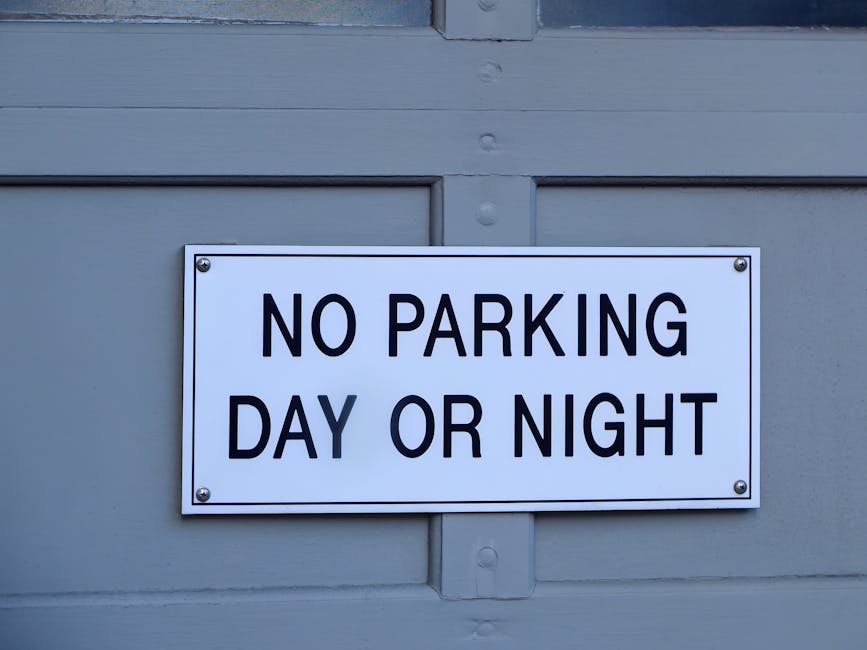
Why Kingston Council permit rules for furniture removals and parking Matters
Furniture removals are not just about carrying items from A to B. They depend on access, and access depends on parking. In Kingston, that can mean loading near a property, using a bay for a short time, or making sure a van does not end up parked where it blocks traffic, bus routes, residents, or pedestrians.
Why does this matter so much? Because the parking setup can affect almost every part of the move: how long the team spends carrying items, whether larger furniture can be moved safely, whether neighbours can still get through, and whether the move takes one trip or three. To be fair, a lot of moving-day stress comes from parking rather than the packing itself.
There is also a money angle. Poor parking planning can create knock-on costs: waiting time, extra labour, a second vehicle, or a delayed move that messes with your key handover. If you are trying to avoid hidden extras, it is worth reading this explanation of removal quotes and hidden costs alongside your parking plan.
For tenants, landlords, homeowners, and businesses alike, the message is simple. The permit or loading arrangement is part of the operational plan. Get it right and the day feels manageable. Get it wrong and even a simple sofa starts to feel like a small logistical drama. And nobody needs that, honestly.
How Kingston Council permit rules for furniture removals and parking Works
In practical terms, removal-day parking usually falls into one of a few categories. The exact arrangement depends on where the property is, what restrictions are in place, how long the vehicle needs to stay, and what kind of road space is available nearby.
1. Check whether the street is restricted
Many Kingston streets are controlled by resident bays, shared-use bays, pay-and-display spaces, single yellow lines, or no-stopping restrictions. That means you cannot simply assume a van can stop outside the property. Sometimes the ideal loading point is one street over, or at the nearest safe legal space.
2. Decide whether you need a permit or exemption
Some removals need advance permission because the vehicle will be using a restricted bay or a controlled section of road. In other cases, short loading may be possible without a formal permit, but that depends on the exact location and the local traffic rules in force at the time. This is one of those moments where the fine print matters, a bit annoyingly.
3. Think about the size of the vehicle
A smaller van can sometimes fit where a larger removal lorry cannot. If you are using a man with a van in Kingston, the parking strategy may be simpler than for a larger vehicle, especially in tighter residential streets or around flats with limited turning space.
4. Allow time for loading and access
Parking rules are not just about the vehicle standing still. They affect how quickly movers can load safely. If the lift is slow, the stairwell is tight, or the route from the property to the van is awkward, the parking plan needs to support that reality.
5. Confirm timing, signage, and any local conditions
Some roads change character by the hour. Morning commuter traffic, school drop-off times, weekend market activity, or evening restrictions can all change what is feasible. If your move sits near a busy part of town, that matters a lot more than people expect.
A practical moving company will normally look at access as a whole: parking, stairs, lift use, loading distance, and item size. If you are still deciding what service level fits your move, our services overview is a useful place to compare the options.
Key Benefits and Practical Advantages
Getting the parking side right does more than keep you legal. It makes the whole move cleaner, faster, and less tiring. The benefits are easy to overlook until you compare a well-planned move with one that is winged on the day.
- Less walking distance: items travel fewer metres between the property and the van.
- Better safety: fewer awkward carries across road traffic or over uneven kerbs.
- Lower delay risk: the crew can work instead of circling for space.
- Less neighbour disruption: no surprise blockages or frustrated door knocks.
- More accurate timing: your move is easier to schedule if loading space is known in advance.
- Reduced chance of extra charges: waiting time and overrun risk are easier to avoid.
There is also a quieter benefit: peace of mind. Once the vehicle is planned, the rest of the day feels more controlled. That sounds simple, but on moving day simple is precious.
For flats and upper-floor properties especially, access and parking go hand in hand. If you are dealing with stairs, shared entrances, or awkward approach roads, you may find the specific advice in our Kingston flat removals access guide reassuring and practical.
Who This Is For and When It Makes Sense
This topic matters to more people than you might think. It is not only for large house moves with a team and a lorry. In Kingston, permit and parking planning can help with a surprisingly wide range of situations.
Home movers
If you are moving from a terrace, maisonette, flat, or family home, parking access can make the difference between a smooth morning and a scrambled one. Home furniture tends to be bulky, awkward, and often heavier than it looks. The sofa never seems that heavy until you get it to the doorway, does it?
Students and renters
Student moves often happen in a rush, between term dates or at the end of a tenancy. If you are moving in or out of shared accommodation, short-stay parking is often the biggest pinch point. For those moves, our student removals service in Kingston may be a useful reference point when planning.
Office and commercial moves
Businesses need to protect timing even more tightly. Staff handovers, equipment moves, and opening hours all depend on the vehicle being in the right place at the right time. For larger workplace relocations, office removals in Kingston can involve much more careful parking coordination than a standard domestic job.
People moving bulky or delicate items
If your move includes a piano, large wardrobes, artwork, or unusually heavy furniture, the access plan matters twice as much. The more difficult the item, the less you want an extra carrying distance. You may also want to review piano removals in Kingston if that is part of your move.
Anyone working to a fixed schedule
If your tenancy ends at noon, your completion is same-day, or your office needs to reopen that evening, you need predictability. In those cases, parking is not a side issue; it is central to the schedule.
Step-by-Step Guidance
Here is the practical way to approach Kingston Council permit rules for furniture removals and parking without making it harder than it needs to be.
- Assess the property access first. Look at the road width, pavement width, bay availability, turning space, and any obvious restrictions. If you can, stand outside the property at the time of day you plan to move. The street may feel very different at 8 a.m. compared with mid-afternoon.
- List the vehicle needs. Think about van size, parking duration, whether the tail lift will be used, and how many trips are likely. A larger vehicle may reduce trips but increase parking difficulty.
- Identify nearby loading options. The space directly outside the door is not always realistic. Sometimes the best answer is a legal stopping point nearby that allows quick, safe carrying distance.
- Check whether permission is needed. If the location appears restricted, or if parking suspension is the only sensible option, plan for the necessary permission or arrangement in advance. Leaving it to the day itself is rarely wise.
- Build the move around the parking reality. If the van must park two minutes away, factor that into labour time. If the lift is slow, factor that in too. Honest timing avoids disappointment.
- Confirm with the mover. A good mover will want clear instructions: where to park, which entrance to use, whether there is a concierge, whether there are stairs, and whether the van can wait if access becomes blocked.
- Prepare the property for fast loading. Boxes ready, furniture dismantled where possible, lift booked if needed, and hallway clear. The parking plan works much better when the property side is tidy as well.
- Have a backup option. If the planned bay is occupied, know where the next legal stopping point is. Backup thinking saves a lot of pacing up and down the pavement.
If you are trying to compare whether you need a full moving team or a lighter service, it may help to look at man and van Kingston as a flexible option for smaller or more access-sensitive moves.
Expert Tips for Better Results
Most problems are avoided by doing a few small things very well. Nothing glamorous. Just sensible planning, done early.
- Book parking thinking into the move, not after it. If you treat it as a separate task, it gets forgotten.
- Use a shorter route where possible. A legal spot a little further along the road can still be better than a risky one outside the door.
- Keep bulky items grouped near the exit. The fewer turns movers need to make, the better the day will feel.
- Label rooms clearly. It reduces pointless back-and-forth and makes the best use of any available loading time.
- Ask about access before confirming the vehicle size. Bigger is not always better in Kingston streets. Sometimes a smaller van is just the smarter choice.
- Think about neighbours and timing. An early morning move can be efficient, but if the street is too quiet, a large van on double yellows can attract complaints fast. A bit awkward, that.
Here is one small real-world observation: the homes that move most calmly are usually not the ones with the most space. They are the ones where the route from front door to van is already mentally mapped out. The boxes are stacked in the right order. The team knows where they are going. That sort of preparation has a very visible effect.
If you are moving in a busy local area, our article on getting around Kingston's lively streets offers a useful sense of the roads and the everyday feel of the place.
Common Mistakes to Avoid
People rarely get into trouble because they are careless on purpose. More often, they assume the parking part will somehow sort itself out. That is where things unravel.
- Assuming the curb outside is available. It often is not, especially in controlled streets.
- Leaving permit decisions until the move date. That can be the difference between a normal day and a very expensive queue of problems.
- Choosing a vehicle that is too large for the street. Bigger vans can create more access issues than they solve.
- Ignoring time-based restrictions. A legal bay in the morning may be unsuitable later in the day.
- Forgetting about loading and unloading windows. Some parking arrangements are only workable for short periods.
- Not briefing the removal team clearly. A team can only park effectively if it knows the exact access point and any restrictions.
- Underestimating the distance from parking to property. Fifty metres sounds small. Carrying a wardrobe or a mattress across it is another story.
One mistake I see repeatedly is people packing everything perfectly but leaving the access plan vague. It is a bit like polishing the cutlery and forgetting where the kitchen is. Not ideal.
Tools, Resources and Recommendations
You do not need a complicated toolkit, but a few practical items and habits make Kingston moves easier.
- A simple site note. Write down the exact parking point, entrance, keypad code, and any restrictions.
- Photos of the street and frontage. A quick photo can help the mover judge the space better than a verbal description alone.
- Room-by-room labels. They speed up unloading and reduce confusion if the vehicle has to park a little way off.
- Basic dismantling tools. Allen keys, screwdrivers, tape, and bags for fittings.
- Protective materials. Blankets, wraps, and covers help if items need to travel a bit further from the van.
- A backup contact number. If the driver arrives and needs you to approve an alternate stopping point, quick communication matters.
For many people, the most useful resource is a mover who understands local access issues and can adapt on the fly. If you want a broader idea of how the company works and what it covers, our removal services page is a sensible starting point. For homeowners specifically, house removals in Kingston may also be useful.
And if your move is more time-sensitive than expected, it is worth looking at same-day removals in Kingston. Tight deadlines and parking restrictions often go hand in hand, so planning becomes even more valuable.
Law, Compliance, Standards, or Best Practice
When we talk about Kingston Council permit rules for furniture removals and parking, the safe approach is to treat the local parking controls as real compliance requirements, not flexible suggestions. In the UK, parking and loading restrictions are taken seriously, and removal vehicles are not automatically exempt just because they are working.
The sensible best practice is to:
- check the actual street restrictions before the move,
- avoid parking in a way that causes danger or obstruction,
- allow extra time for loading if a legal space is not directly outside the building,
- follow any instructions tied to bays, suspensions, or loading periods, and
- keep clear records of the agreed parking plan.
From a safety standpoint, compliance is not only about avoiding inconvenience. It reduces the risk of blocked pavements, damaged property, rushed lifting, and poor visibility for drivers or pedestrians. That is especially important near busier Kingston roads, where a poor parking choice can create a chain reaction within minutes.
Good removals practice in London generally means balancing legality, safety, and practicality. The best moving teams do not simply look for the nearest spot. They look for the safest workable spot. Subtle difference, but it matters.
Options, Methods, or Comparison Table
Different moves call for different parking approaches. Here is a straightforward comparison to help you decide what tends to work best.
| Approach | Best for | Pros | Trade-offs |
|---|---|---|---|
| Park directly outside if legal | Short domestic moves, easy streets | Fast loading, less carrying, simpler day | Not always available in controlled streets |
| Use a nearby legal bay | Busy roads, residential zones, moderate moves | Usually realistic, often easier to arrange | Longer carry distance, extra time needed |
| Arrange a parking suspension or permit | Large moves, flats, strict loading windows | Best control over access, more predictable timing | Needs more planning and may involve admin effort |
| Use a smaller vehicle | Narrow streets, older terraces, access-limited flats | Easier manoeuvring, less stress on tight roads | May require more trips or careful load planning |
In many Kingston locations, the best answer is not the fanciest one. It is the one that reduces friction on the day. A smaller van parked legally in the right place can outperform a bigger vehicle that spends half the morning hunting for space.
Case Study or Real-World Example
Imagine a two-bedroom flat move near a busier part of Kingston. The family has a sofa, bed frames, boxed kitchen items, and a few heavier pieces of furniture. The original assumption is that the van can stop outside the building for an hour or two. On inspection, though, the street has limited legal parking and regular local traffic.
Instead of forcing the issue, the move is adjusted. A smaller van is used. The team identifies a nearby legal stopping point. The boxes are staged by the front door, with larger furniture cleared first. The move takes longer than the most optimistic plan, but it stays orderly. No blocked access. No last-minute panic. No awkward confrontation with a neighbour trying to get out with a pushchair.
That is the real lesson here. The goal is not perfect convenience. The goal is a move that stays calm, legal, and efficient enough to finish well. A little compromise on parking often saves a lot of trouble later.
For more context on similar access-heavy situations, you may also find our advice for riverside home removals useful, as it reflects the kind of access thinking that helps in trickier areas.
Practical Checklist
Use this before move day. It is simple, but it covers the things that most often get overlooked.
- Confirm the exact address and access point.
- Check street restrictions and likely loading space.
- Decide whether a permit, suspension, or alternative bay is needed.
- Choose the right van size for the street and the property.
- Tell the mover about stairs, lifts, gates, and entry codes.
- Keep boxes and furniture as close to the exit as possible.
- Book any building lift or concierge slot if required.
- Prepare a backup parking option in case the first spot is taken.
- Protect fragile or heavy items for a slightly longer carry distance.
- Keep your phone on and available during arrival.
That checklist may look plain, but it solves a lot. Really, a lot.
Conclusion
Kingston Council permit rules for furniture removals and parking can feel like a small detail, until they are the thing that decides whether your move runs smoothly or becomes a headache. Once you treat parking as part of the move plan, not a separate problem, everything starts to make more sense.
The practical formula is straightforward: check the road, understand the restrictions, choose the right vehicle, and make sure the mover knows the access reality before arrival. That is the stuff that saves time, protects furniture, and helps the day feel under control.
If you are planning a move soon, it is worth taking the parking question seriously now. A little early effort, a bit of local knowledge, and honest preparation can make the whole experience feel far less frantic. And that, on moving day, is worth quite a lot.
Get a free quote today and see how much you can save.